

Best Time to Visit Naimisharanya , is open to pilgrims every single day of the year — but not every day is equal here. The sacred forest where 88,000 rishis performed the world’s most important yajna, where the Chakra Tirth kund has received pilgrims for thousands of years, and where the Puranas were narrated for the first time responds differently to different seasons.
The right time to visit means pleasant weather for the open-air Chakra Tirth dip, manageable crowds at the major temples, and ideally a festival calendar that adds spiritual energy to your visit. The wrong time means temperatures exceeding 44°C at the outdoor kunds, flooded temple paths, or accommodation booked out weeks in advance. This guide gives you the complete honest picture — season by season, festival by festival, family type by family type.
Best Time to Visit Naimisharanya
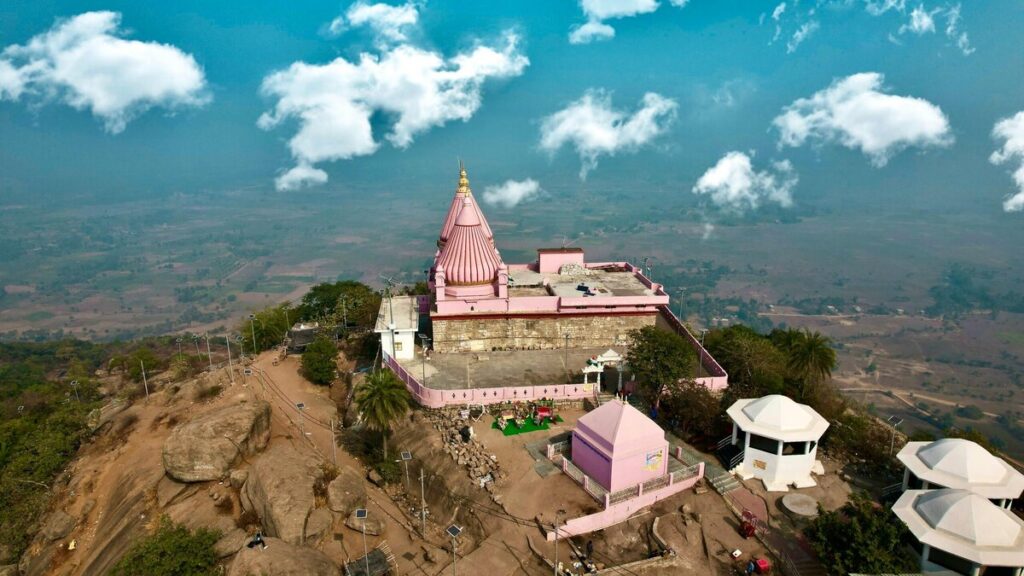
The Best Overall Window: October to March
The ideal time to visit Naimisharanya is during winter (October to March) when the weather is pleasant for sightseeing and outdoor activities. Festivals like Navratri and Somvati Amavasya add vibrancy to the town, offering visitors a chance to witness its cultural grandeur. This six-month window is the clear recommendation for the vast majority of pilgrims — families with elderly members, groups with young children, first-time visitors, and anyone combining Naimisharanya with the complete UP sacred circuit of Varanasi, Ayodhya, and Prayagraj.
Winter is probably the best season to visit Naimisharanya. Starting from October and ending in March, it is marked by cold and pleasant weather that makes sightseeing absolutely fun. The temperature ranges from 6°C to 22°C during this time. For the Chakra Tirth holy dip — the most important ritual experience at Naimisharanya — temperature genuinely matters.
A dip in cool but not freezing water at 8:30 AM in November or February is an entirely different physical and spiritual experience from the same dip in 44°C heat in May. October to March is considered the best time due to pleasant weather and major festivals like Kartik Purnima and Makar Sankranti. This season is the most pleasant and sees a surge of pilgrims, especially during these festivals. It’s also perfect for elderly travellers and families with children.
October and November: The Sweet Spot
Autumn (October to November) is the best time to visit Naimisharanya. The monsoon showers have subsided, leaving behind a green carpet accentuated by the gentle autumn breeze. The temperature hovers between 20°C to 30°C, creating comfortable conditions for sightseeing, temple visits, and nature walks. Moreover, October and November coincide with the festive season in India, with Diwali and Govardhan Puja being celebrated with great enthusiasm in and around Naimisharanya.
The post-monsoon forest in October and November is genuinely beautiful — deep green, fragrant, and alive in a way that the dry winter months don’t quite match.
The sacred forest walk — the Van Pradakshina — is most rewarding during this window when the forest itself is at its most vibrant. Kartik Purnima in November is one of the most significant festivals at Naimisharanya, drawing large numbers of pilgrims for the sacred bathing ritual at Chakra Tirth. Book accommodation 30–45 days in advance for Kartik Purnima dates. Tripcosmos offers special festival packages for Kartik Purnima with pre-booked accommodation near the temples, ritual coordination, and private cab from Lucknow.
December to February: Peak Pilgrimage Season
December through February delivers Naimisharanya’s finest combination of weather and spiritual energy. Temperatures between 6°C and 22°C make all outdoor activities — the Chakra Tirth dip, the forest walk, the ghat-side morning aarti — genuinely comfortable. From the month of December to mid-February, the weather sees a huge dip in temperature because of the winter season — don’t forget to carry heavy woollen clothing.
Makar Sankranti — one of the most important bathing festivals in the Hindu calendar — draws thousands of pilgrims to Naimisharanya’s Misrikh Ghat and Chakra Tirth for the sacred dip in January. Hotels and Dharamshalas get booked early during festivals. With Tripcosmos, you get pre-booked accommodations close to the temples. Book at least 45–60 days in advance for Makar Sankranti dates — accommodation in and around Naimisharanya fills completely for this festival.
March and April: Good Weather, Manageable Crowds
Spring (March to April) marks the beginning of the tourist season in Naimisharanya, as the weather becomes pleasantly warm and nature adorns itself with vibrant hues. The region blossoms with colourful flowers and lush greenery, creating a picturesque setting for exploration. During this time, the temperature ranges between 20°C to 30°C, providing comfortable conditions for outdoor activities and temple visits.
March is arguably the most underrated month for Naimisharanya. The major winter festival crowds have passed. Accommodation is readily available without advance booking pressure. The forest is transitioning from winter dryness to spring greenery. And the temperature — 20°C to 25°C through most of March — is ideal for the outdoor circuit without the heat that builds sharply in April. For families who cannot travel in peak winter season, March is an excellent alternative that most travel guides overlook.
May to June: Avoid Unless Necessary
The summer season in Naimisharanya starts from April and continues until early July. Throughout these months, the town experiences hot and humid weather. The temperature of the town during these months varies between 38°C to 45°C. The Chakra Tirth open-air kund at noon in May is genuinely uncomfortable — an exposed stone-edged sacred pond with no shade, in direct 44°C sunlight, with the sacred water warm rather than cooling. Though Naimisharanya is open year-round, summers can be challenging for rituals at open-air sites like Chakra Tirth or Dadhichi Kund.
If you must travel during summer, plan early morning or evening temple visits. Choose AC vehicles and request early morning darshan schedules. If travel during summer is unavoidable — departing by 6:00 AM from Lucknow, completing the outdoor ritual circuit by 10:30 AM, and retreating to AC accommodation during the peak heat hours of 11 AM to 4 PM makes the visit manageable. Summer coincides with several important Hindu festivals, including Akshaya Tritiya and Buddha Purnima, which infuse the atmosphere with fervour and offer a unique cultural experience.
July to September: Monsoon — For the Devoted Pilgrim
All of Naimisharanya receives heavy rainfall during the monsoon season, which commences from late July and ends in September. The heavy rainfall may make sightseeing and exploration difficult. The forest turns extraordinarily green during monsoon — and for pilgrims drawn by the natural beauty of the sacred forest as much as the temples, this is actually a powerful time to visit.
Monsoon brings a fresh green look to Naimisharanya. While some temple grounds may get muddy, the spiritual energy during Shravan Maas and Raksha Bandhan makes this season meaningful for many. Shravan month — particularly meaningful for Shiva devotees — sees significant pilgrim footfall at Naimisharanya despite the rain. Waterproof footwear, a rain jacket, and realistic expectations about muddy temple approaches are essential for monsoon visits.
Festival Calendar: When Spiritual Energy Peaks
| Festival | Month | Significance at Naimisharanya |
|---|---|---|
| Navratri | October, April | Major puja at Lalita Devi Temple |
| Kartik Purnima | November | Sacred bathing at Chakra Tirth |
| Makar Sankranti | January | Most important bathing festival — Misrikh Ghat |
| Somvati Amavasya | Varies | Large pilgrim gathering at Chakra Tirth |
| Shravan Maas | July–August | Shiva devotees, forest atmosphere peak |
| Akshaya Tritiya | April–May | Auspicious ritual occasion |
Plan Your Naimisharanya Visit with Tripcosmos
Tripcosmos designs Naimisharanya packages across every season — from the peak winter festival circuit to summer early-morning itineraries for unavoidable travel dates. From the Best Time to Visit Naimisharanya guide on Tripcosmos to the complete Naimisharanya Family Tour with Cost — every format is designed around your specific travel window with honest, itemised pricing.
Website: https://tripcosmos.co WhatsApp: +91 9336116210
October to March is the clear best time to visit Naimisharanya — pleasant weather, the finest festivals, and the most comfortable conditions for the outdoor Chakra Tirth experience that is the heart of every pilgrimage here. October and November deliver post-monsoon forest beauty.
December through February bring the spiritual energy of Makar Sankranti and peak winter devotion. March offers the same weather at lower crowd levels. For unavoidable summer travel, an early morning schedule and AC vehicle management makes the visit workable. Whenever you arrive, the sacred forest of the rishis is ready to receive you. For historical and mythological context before your visit, the Wikipedia article on Naimisharanya is worth reading.
FAQ Section
Q1: What is the best month to visit Naimisharanya?
October and November are the single best months — post-monsoon forest beauty, comfortable temperatures between 20°C and 30°C, Kartik Purnima festival energy, and manageable crowds. December through February is equally excellent with colder temperatures and the Makar Sankranti festival. Book accommodation 30–45 days in advance for these months.
Q2: Is Naimisharanya worth visiting in summer?
Summer (May–June) is the most challenging season — temperatures reach 44°C and the outdoor Chakra Tirth dip becomes genuinely uncomfortable. If travel is unavoidable, depart Lucknow by 6:00 AM, complete all outdoor rituals by 10:30 AM, and stay in AC accommodation during peak heat hours. Choose AC vehicles and early morning darshan schedules through Tripcosmos.
Q3: What is the most important festival at Naimisharanya?
Makar Sankranti in January is the most significant festival — drawing thousands of pilgrims to Misrikh Ghat and Chakra Tirth for the sacred bathing ritual. Kartik Purnima in November is the second most important. Both festivals require accommodation booking 45–60 days in advance.
Q4: Can Naimisharanya be visited during monsoon?
Yes — with realistic expectations. The forest is extraordinarily beautiful during monsoon, and Shravan Maas carries significant spiritual energy for Shiva devotees. Temple grounds and ghat approaches become muddy — waterproof footwear and a rain jacket are essential. Some outdoor ritual areas may be less accessible during heavy rainfall days.
Q5: Does Tripcosmos offer festival-specific packages for Naimisharanya?
Yes — Tripcosmos offers special festival packages for Kartik Purnima, Makar Sankranti, and Navratri at Naimisharanya, including pre-booked accommodation near the temples, ritual coordination, guide services, and private cab from Lucknow. WhatsApp +91 9336116210 with your festival dates for complete pricing and availability



Comments are closed.